
 See My Latest Article on HelloNation
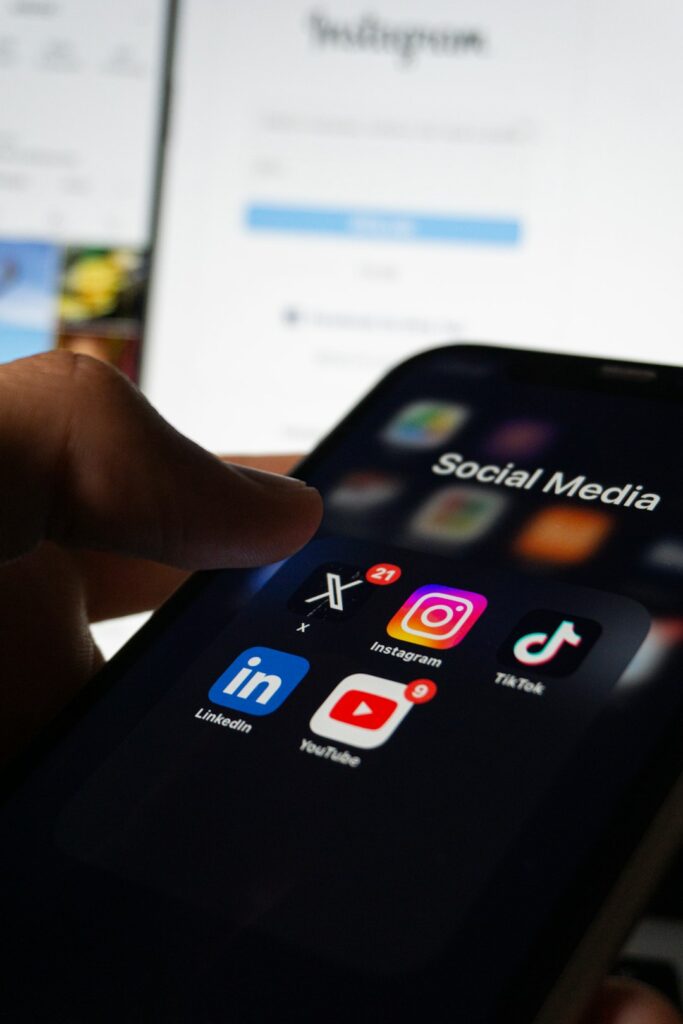
Social media can affect a personal injury claim in ways many people do not expect. Posts, photos, videos, comments, private messages, location tags, and even changes to a profile may become relevant when an insurance company, opposing attorney, or court evaluates what happened and how an injury has affected someone’s life.
For residents of Detroit, understanding these risks is especially useful after a motor vehicle crash, slip-and-fall incident, workplace injury, or other accident. A single post rarely decides an entire claim, but online activity can create questions about physical limitations, pain, timing, credibility, and responsibility.
Can social media posts be used in a personal injury case?
Yes. Social media content may be used if it is relevant and can be connected reliably to the person who created or shared it.
Public posts are the easiest to find, but privacy settings do not necessarily prevent discovery. Depending on the circumstances, relevant content may include:
- Photos and videos
- Public comments and replies
- Stories and disappearing content
- Direct messages
- Check-ins and location information
- Event invitations
- Fitness or activity records
- Posts made by friends or family members
- Edited, deleted, or archived material
The key question is usually not whether the post was public. The question is whether the content reasonably relates to an issue in the claim.
For example, a photograph showing someone attending an event may not prove that the person was uninjured. However, it could raise questions if the claim involves an inability to stand, walk, socialize, travel, or participate in ordinary activities.
How can photos and videos affect the value of a claim?
Photos and videos can be misunderstood because they capture only one moment. Someone may appear relaxed in a picture while experiencing significant pain before or afterward. A person may also participate briefly in an activity despite being unable to perform it consistently.
Even so, insurance adjusters and opposing attorneys may use online images to challenge statements about limitations. A video of lifting an object, walking without visible assistance, dancing, exercising, or taking part in a recreational activity may be presented as evidence that the injury is less serious than claimed.
Context matters. A person who briefly attends a family gathering may have spent most of the day resting. Someone who walks across a parking area may still be unable to work a full shift. A single image cannot always show the complete medical picture, but it can become part of the evidence that must be explained.
Can a post affect questions about fault?
It can. Social media may contain statements about what happened before, during, or after an accident.
Examples include:
- Admitting to speeding, distracted driving, or alcohol use
- Saying that a warning sign was visible
- Describing a dangerous condition before reporting it
- Acknowledging a similar prior injury
- Posting that the accident was “not a big deal”
- Blaming another person and later describing different facts
- Discussing conduct that may have contributed to the incident
Michigan uses comparative fault principles in many personal injury cases. If more than one person’s conduct contributed to an injury, responsibility may be assigned by percentage. Online statements that appear to acknowledge some responsibility may therefore receive close attention.
That does not mean an informal post automatically establishes legal fault. Posts may be incomplete, sarcastic, inaccurate, or written before all facts were known. Their meaning depends on the surrounding evidence, including police reports, medical records, witness statements, photographs, and physical conditions.
What should someone do with existing social media content?
Do not delete, alter, or conceal potentially relevant material. Deleting a post after an accident can create separate questions about evidence preservation and may appear more damaging than the original content.
Instead:
- Preserve relevant posts, messages, photos, and videos in their original form.
- Keep copies that show dates, captions, comments, and surrounding content.
- Avoid editing older posts to change their meaning.
- Do not ask friends or relatives to remove content connected to the incident.
- Make a private record of posts that may later disappear.
- Tell the attorney or claims representative handling the matter about potentially unfavorable content.

Preserving evidence does not mean continuing to publish about the accident. It means avoiding actions that could create allegations of spoliation, concealment, or manipulation.
Should social media accounts be made private?
Reviewing privacy settings is sensible, but making an account private does not erase previous posts or guarantee that information will remain inaccessible.
Other people may have already copied, shared, downloaded, or captured content. A private account may also contain material that becomes relevant through formal evidence requests. Privacy settings should be treated as a way to reduce unnecessary exposure, not as a shield against lawful discovery.
It is also wise to review tagged photos, connected accounts, public follower lists, and automatic location-sharing features. The goal is not to hide evidence. The goal is to limit new misunderstandings while a claim is being evaluated.
Can social media activity contradict medical records?
Sometimes. Medical records describe symptoms, treatment, diagnoses, restrictions, and progress during clinical visits. Social media may show activities that appear inconsistent with those records.
A person might report severe back pain but post a picture carrying a child. Another person may describe difficulty concentrating but share frequent late-night updates. These situations do not automatically prove exaggeration. Medical conditions can fluctuate, and people often perform necessary activities despite pain.
Still, inconsistencies can affect credibility. It helps to maintain accurate, consistent information with medical providers and avoid making broad statements online about symptoms, recovery, or abilities.
What about posts made before the accident?
Older content may also matter. Prior posts can provide information about:
- Earlier injuries
- Preexisting medical conditions
- Physical activities
- Employment or daily routines
- Statements about pain or limitations
- Previous accidents or insurance claims
A prior injury does not eliminate the possibility that a later accident caused a new injury or made an existing condition worse. The relevant issue is often the person’s condition before and after the event. Earlier social media may be used to compare those time periods, but it must be interpreted alongside medical and employment records.
Can someone discuss the claim online?
There is no universal rule that prevents a person from using social media after an accident. However, publicly discussing the claim creates avoidable risks.
Posts about settlement demands, insurance communications, medical opinions, witnesses, attorneys, or expected testimony may later be examined for inconsistencies. Arguments with other people involved in the incident can also damage credibility and make the dispute more difficult to resolve.
A safer general approach is to avoid posting about the accident, injuries, treatment, lawsuit, insurance claim, or expected compensation. Questions about the case should be discussed privately with the appropriate legal representative rather than debated online.
What should family and friends know?
Friends and relatives may unintentionally create problems by posting photographs, tagging locations, sharing updates, or describing the injured person’s condition. A well-meaning caption such as “having fun tonight” may leave out the pain, assistance, or limitations involved.
It can help to ask people close to the injured person not to post, tag, livestream, or comment about the accident or recovery without permission. This request should include group photos and temporary stories, which can be copied even if they are later removed.
The safest social media practice after an injury is simple: preserve existing information, avoid deleting or changing potentially relevant material, limit new posts, and assume that anything shared online could eventually be reviewed in connection with the claim.