

 See My Latest Article on HelloNation
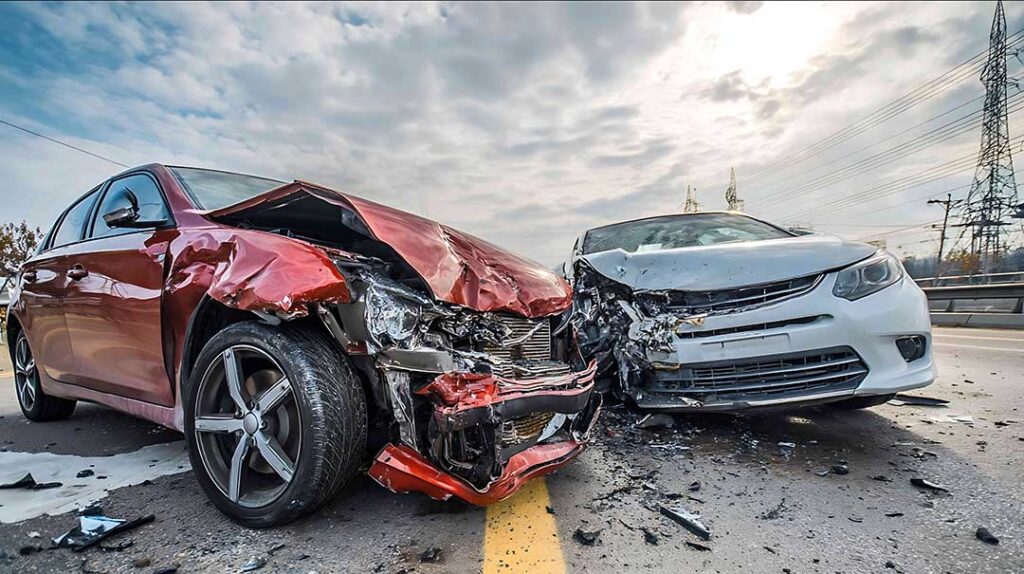
Accidents can leave more than visible injuries. Anxiety, nightmares, fear of driving, depression, embarrassment, and other psychological effects may also become part of the harm. In Detroit, MI, a person may be able to seek compensation for emotional distress after an accident, but the claim usually must be connected to a legally recognized injury and supported by evidence.
Emotional distress is commonly addressed as part of a personal injury claim rather than treated as an automatic, separate lawsuit. Whether compensation is available depends on what happened, who was responsible, the severity of the distress, and the proof connecting the condition to the accident.
Can emotional distress be included in an accident claim?
Yes. Emotional distress may be included among damages in a personal injury case when it results from bodily harm, medical treatment, disability, or the accident itself.
Examples may include:
- Anxiety or panic after a collision
- Fear of driving or riding in a vehicle
- Nightmares, flashbacks, or intrusive memories
- Depression or emotional withdrawal
- Loss of sleep
- Humiliation caused by visible injuries or disfigurement
- Stress related to ongoing pain, rehabilitation, or loss of independence
- A need for counseling, medication, or other mental-health treatment
A person does not necessarily need to prove a separate psychiatric diagnosis to discuss emotional suffering. However, a diagnosis, treatment records, medication history, or testimony from a qualified mental-health provider can make the claim easier to evaluate.
Michigan law defines personal injury broadly enough to include emotional harm resulting from bodily harm. In practical terms, emotional distress is often considered alongside medical expenses, lost income, physical pain, disability, and reduced quality of life.
What must be shown to recover damages?
A typical negligence-based accident claim requires proof that another person or entity failed to use reasonable care, that the failure caused the accident, and that the accident caused compensable harm.
For emotional distress, the central questions usually include:
1. Did the accident cause a physical injury or other legally recognized harm?
2. Is the emotional condition a natural result of the accident or physical injury?
3. How severe and long-lasting are the symptoms?
4. What treatment or limitations resulted?
5. What evidence supports the amount of compensation requested?
A person who experiences several days of understandable upset after a minor incident may have difficulty proving substantial emotional-distress damages. A person who develops post-traumatic stress symptoms, cannot return to normal activities, or requires extended treatment may have a stronger claim.
The law does not require emotional suffering to be visible. It does require enough reliable information for a judge, jury, insurer, or opposing party to distinguish genuine accident-related harm from ordinary frustration or temporary worry.
Can someone sue for emotional distress without a physical injury?
Sometimes, but the answer is more limited. Michigan law generally makes it easier to pursue emotional-distress damages when psychological harm is connected to bodily injury.
A separate claim for negligent infliction of emotional distress may apply in certain bystander situations. These claims are narrowly defined. Generally, the person seeking damages must have witnessed a serious injury to an immediate family member, experienced a severe emotional shock, and suffered actual physical harm or other qualifying consequences recognized by Michigan law.
For example, a close family member who is present during a serious accident may have a potential claim based on the trauma of witnessing the event. Simply hearing about an accident later, feeling worried, or suffering ordinary grief will not automatically satisfy the legal requirements.
The rules can also differ when the emotional distress follows an intentional act rather than ordinary negligence. Intentional infliction of emotional distress requires conduct that is extreme and outrageous, done intentionally or recklessly, and shown to have caused severe emotional distress. Ordinary carelessness behind a traffic accident usually does not meet that demanding standard.
What evidence can support an emotional-distress claim?
Evidence should show both the condition and its connection to the accident. Useful records may include:
- Emergency-room and medical records
- Counseling or psychiatric treatment records
- Prescriptions and treatment plans
- Notes about sleep problems, panic, or fear
- Testimony from family members, coworkers, or friends
- Documentation of missed work or abandoned activities
- A personal symptom journal
- Evidence of prior mental-health conditions, when relevant

Prior anxiety or depression does not automatically defeat a claim. The issue is often whether the accident worsened an existing condition or caused a new one. Accurate disclosure matters because insurers and opposing parties may examine prior medical records and past claims.
It is also helpful to describe practical changes rather than relying only on labels. Saying that a person “feels stressed” provides limited information. Explaining that the person avoids driving, wakes repeatedly during the night, cannot remain in traffic, or stopped participating in ordinary household activities gives a clearer picture of the impact.
How do winter conditions affect these claims?
Seasonal conditions can complicate accident cases involving snow, ice, poor visibility, or slick roads. A collision during a winter storm does not automatically prove that another person was negligent. Responsibility may depend on speed, following distance, vehicle control, road conditions, warnings, and the conduct of each driver.
The same conditions can also intensify emotional symptoms. A person injured in a crash on an icy roadway may later experience fear whenever roads freeze or visibility drops. That connection should be documented carefully rather than assumed.
Photographs, treatment records, crash reports, witness information, and notes about changing symptoms can help preserve an accurate account while memories are fresh.
How long do you have to bring a claim?
Michigan generally provides three years to file an action seeking damages for personal injury, although exceptions and different deadlines may apply. Claims involving government agencies, minors, medical treatment, employment injuries, or wrongful death can involve special rules.
The deadline is not necessarily extended because emotional symptoms appear gradually. A person who waits to address anxiety or trauma may still have legal options, but delay can create disputes about causation and may affect the available evidence.
Because deadlines can depend on the identity of the responsible party and the type of accident, time-sensitive legal questions should be reviewed promptly when significant injury or psychological symptoms are involved.
What common misunderstandings should accident victims avoid?
Emotional distress does not have to involve hospitalization to be real. At the same time, a claim is not automatically worth a particular amount because an accident was frightening.
Several factors commonly matter:
- The seriousness of the accident
- The nature and duration of physical injuries
- Whether symptoms are documented consistently
- Whether treatment was recommended and followed
- The effect on work, school, family life, and daily activities
- Whether another event may have contributed to the symptoms
- Whether the person had a related condition before the accident
A settlement, release, or insurance payment may also affect later claims. Signing documents without understanding what rights are being given up can create problems, particularly when psychological symptoms are still developing.
For Detroit residents recovering from an accident, emotional distress should be treated as part of the overall injury picture. Prompt medical attention, honest communication with treatment providers, and careful records can help show how the accident changed a person’s health and daily life.